How to Choose the Right Print on Demand Supplier for Your Business (2026)
Quick Answer
The right print on demand supplier depends on your business priorities: Printful offers premium quality and US/EU fulfillment but higher base costs; Printify gives you multiple print providers and lower prices but inconsistent quality; Awkward Styles (what Skup recommends) delivers reliable quality, competitive pricing, and fast shipping within the US. Test samples from 2-3 suppliers before committing to one for your store.
Why Your Supplier Choice Matters More Than You Think
Your print on demand supplier is the backbone of your business. They handle production, quality control, and shipping—everything that happens after a customer clicks “buy.” Choose wrong, and you’ll deal with returns, bad reviews, and angry customers. Choose right, and fulfillment becomes invisible to you.
Most beginners obsess over designs and ads while treating supplier selection as an afterthought. That’s backwards. A mediocre design on a quality blank with fast shipping will outsell a brilliant design on a scratchy shirt that takes three weeks to arrive.
The 5 Factors That Actually Matter
1. Print Quality and Consistency
Not all printing is equal. DTG (direct-to-garment) printing varies wildly between providers. Some prints crack after one wash. Others fade. The only way to know is ordering samples yourself—never skip this step.
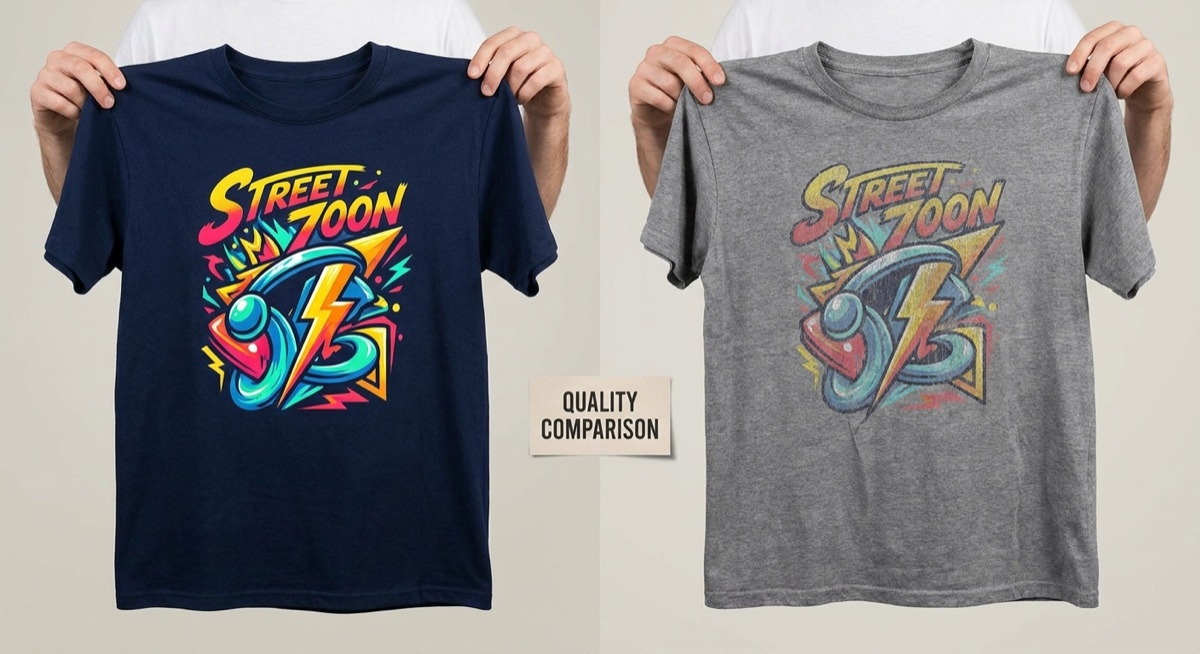
Look for: vibrant colors, soft hand feel (the print shouldn’t feel like plastic), durability through multiple washes, and consistent results across orders.
2. Shipping Speed and Reliability
Amazon trained customers to expect fast shipping. If your POD orders take 2-3 weeks, you’ll face chargebacks, cancellation requests, and negative reviews. For US customers, aim for 5-10 day delivery. International can be longer, but set clear expectations.

Pro tip: Check where the supplier’s print facilities are located. A supplier with US-based printing will always beat one shipping from overseas for US customers.
3. Product Catalog
Do they offer the products you want to sell? Most beginners start with t-shirts, but your supplier should also offer hoodies, sweatshirts, and potentially mugs or hats as you expand. Check the blank brands they use—Bella+Canvas and Next Level are industry standards for quality.
4. Base Cost and Your Margins
Lower base costs mean higher profit margins, but don’t chase the cheapest option. A $8 base cost shirt that generates returns and bad reviews costs more than a $12 shirt customers love. Calculate your margins at realistic selling prices ($24.99-$34.99 for tees) and make sure you’re profitable after ad spend.
5. Platform Integration
Your supplier needs to integrate smoothly with your store platform (Shopify, Etsy, etc.). Automatic order routing, tracking updates, and inventory sync save hours of manual work. Most major suppliers integrate with Shopify directly.
Popular Suppliers Compared
Printful
Best for: Premium positioning, international customers
Pros: Excellent quality, fulfillment centers in US/EU/Australia, great mockup generator, strong brand reputation
Cons: Higher base costs eat into margins, can be slower during peak seasons
Printify
Best for: Testing multiple print providers, budget-conscious sellers
Pros: Access to dozens of print providers, competitive pricing, huge product selection
Cons: Quality varies between providers (you must vet each one), customer service can be hit or miss
Awkward Styles
Best for: US-focused sellers who want reliability
Pros: Consistent quality, fast US shipping, competitive pricing, responsive support
Cons: Smaller product selection than giants, primarily US fulfillment
This is why Skup’s Apparel Cloning System recommends Awkward Styles—the reliability and quality-to-price ratio work for beginners building their first profitable store.
How to Test Before You Commit
Never launch with a supplier you haven’t tested. Here’s the process:
- Order samples of your actual designs — Not just blanks. Print your designs and see how they look in person.
- Wash test them — Run samples through 3-5 wash cycles. Check for fading, cracking, and shrinkage.
- Time the delivery — Order to a friend’s address as if you’re a customer. How long does it actually take?
- Test customer service — Email them with a question. How fast and helpful is the response?
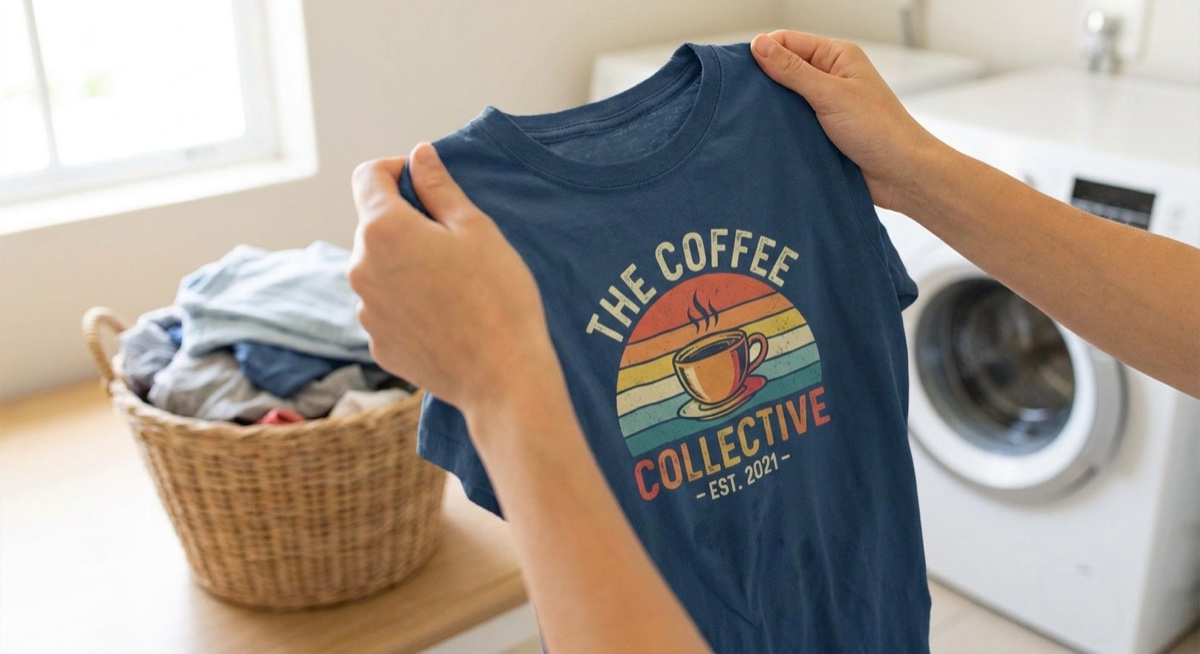
Yes, this costs money upfront. Consider it insurance against thousands in returns and refunds later.
Common Supplier Mistakes
Choosing Based on Price Alone
The cheapest supplier often has the lowest quality and slowest shipping. Your $2 savings per shirt evaporates when customers demand refunds.
Not Ordering Samples
Mockups lie. Product photos are optimized. The only truth is holding the actual product in your hands.
Ignoring Shipping Zones
If 80% of your customers are in the US but your supplier prints in Europe, you’re setting yourself up for complaints. Match your supplier’s fulfillment locations to your customer base.
Switching Suppliers Mid-Scale
Changing suppliers when you’re doing 100+ orders per week is painful. Colors look different, sizing varies slightly, and customers notice. Pick right the first time.
FAQ
Can I use multiple print on demand suppliers?
Yes, many sellers use different suppliers for different products (one for apparel, another for mugs). Just be aware this complicates inventory management and shipping consistency.
How much should I budget for samples?
Expect to spend $50-$150 testing 2-3 suppliers with your actual designs. This is one of the best investments you’ll make—it prevents costly mistakes at scale.
What if my supplier runs out of stock?
Reputable suppliers communicate inventory issues proactively. Set up backup options for your best-selling blanks, and consider having a secondary supplier relationship for emergencies.
The Bottom Line
Your supplier choice directly impacts customer satisfaction, profit margins, and your sanity. Don’t rush this decision. Order samples, test quality, verify shipping times, and pick a partner you can grow with.
Inside the Apparel Cloning System, we walk through exactly which suppliers work best for different business models and price points—plus how to set up your fulfillment for maximum efficiency from day one.