Quick Answer
The best Merch by Amazon alternative in 2026 is building your own Shopify store with a print-on-demand supplier like Gelato or Printful. You get full control over pricing, customer data, and branding—without Amazon’s strict limitations, slow approval process, or tier system holding you back.
Here’s a complete breakdown of your options and why independent POD stores outperform marketplace models for serious sellers.
Why People Leave Merch by Amazon
Merch by Amazon sounds appealing on paper: access to Amazon’s massive customer base, no upfront inventory, and passive income potential. In reality, most sellers hit walls:
- Brutal tier system — Start with 10 designs, wait months to tier up. Meanwhile, competitors with higher tiers dominate.
- No customer ownership — Amazon owns the customer relationship. No email list, no retargeting, no repeat business you control.
- Race to the bottom pricing — Endless competition drives prices down. Hard to maintain decent margins.
- Account vulnerability — One policy violation and your account is gone. No appeal process that actually works.
- Zero brand building — You’re building Amazon’s brand, not yours.
Smart sellers use Amazon as one channel, not their entire business. Or they skip it entirely for platforms where they control the customer relationship.
Top Merch by Amazon Alternatives (2026)
1. Shopify + Print-on-Demand (Best Overall)
Why it wins: You own everything—the store, the customer data, the brand. No tier limits. No marketplace competition on your own pages.
How it works:
- Build a Shopify store ($39/month)
- Connect a POD supplier (Gelato, Printful, or Printify)
- Create products—no design limits
- Drive traffic with Facebook/Instagram ads
- Build an email list for repeat sales
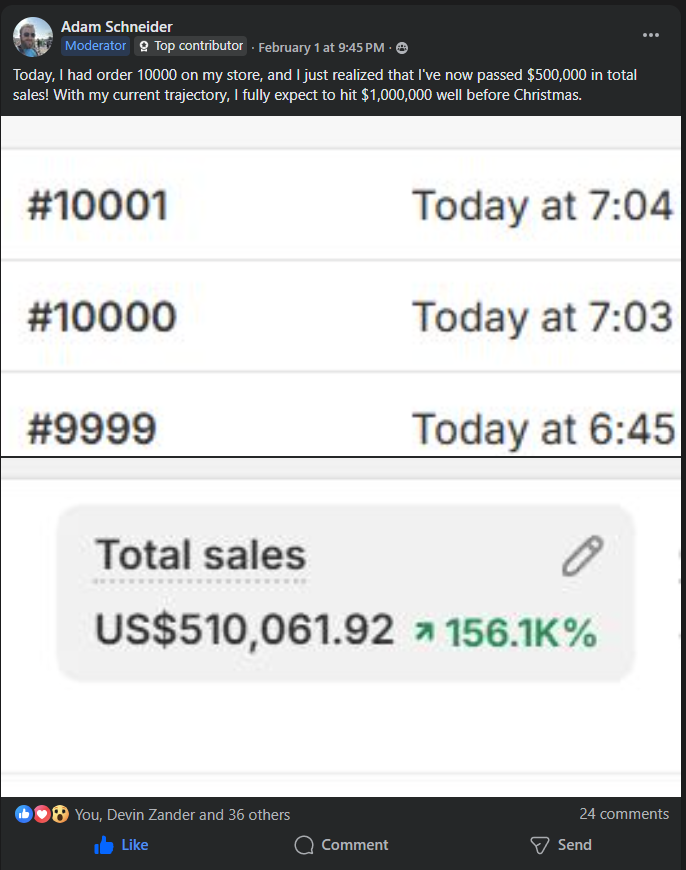
The learning curve: Steeper than uploading to Amazon, but programs like the Apparel Cloning System teach the complete methodology—from finding proven designs to running profitable ads. Students have generated over $50 million in combined sales using this approach.
Pros: Full control, unlimited designs, own your customers, build real brand equity, higher profit margins possible.
Cons: Requires learning ads and marketing. Higher effort than passive marketplace listings.
2. Etsy Print-on-Demand
Why consider it: Built-in traffic from people actively shopping for unique products. Lower barrier than Amazon Merch.
How it works: List products on Etsy, connect a POD supplier through integrations like Printify or Printful.
Pros: Existing buyer traffic, easier approval than Amazon, good for testing designs.
Cons: High fees (6.5% transaction + listing fees), intense competition, still building someone else’s platform, algorithm changes can tank your shop overnight.
3. Redbubble / Teepublic
Why consider it: Zero upfront cost, upload and forget. Good for artists testing if designs have appeal.
Pros: Completely passive, no ad spend required, instant global reach.
Cons: Tiny royalties ($2-4 per sale typically), no customer ownership, brutal competition, no way to differentiate.
4. Amazon KDP (For Books/Low-Content)
Why consider it: If you’re interested in journals, planners, or low-content books, KDP has less competition than apparel.
Pros: Amazon’s traffic, passive income potential, no tier system.
Cons: Different skillset than apparel, saturated niches, still Amazon’s platform.
Why Shopify Beats Marketplaces Long-Term
Marketplaces give you a head start with traffic. But you’re renting space on someone else’s property. They can change the rules, raise fees, or ban you anytime.
With your own Shopify store:
- You own the customer list — Email marketing for repeat sales without ad costs
- You control pricing — No race to match competitor’s $12.99 t-shirts
- You build brand equity — A sellable asset, not just a side hustle
- No arbitrary limits — Upload 10 designs or 10,000, your choice
- Data ownership — Retarget visitors, analyze behavior, optimize funnels
The tradeoff is effort. You need to learn marketing, specifically Facebook and Instagram ads. But that skill compounds—once you know how to drive traffic profitably, you can scale to any revenue level.
How to Start Without Amazon
If you’re done waiting for tier-ups or worried about account bans, here’s the path:
Step 1: Choose Your POD Supplier
- Gelato — Best for international shipping (30+ country fulfillment network)
- Printful — Best print quality and reliability
- Printify — Best for price optimization (multiple provider options)
Step 2: Set Up Shopify
$39/month Basic plan. Connect your supplier app. Takes an afternoon to get running.
Step 3: Learn the Design Research Method
Don’t guess what designs will sell. Study what’s already working on Etsy, Amazon, and social media. Create original variations using AI tools like AvatarIQ.
This is the core of the Apparel Cloning System methodology—find proven winners, create variations, test with small ad budgets, scale what works.
Step 4: Start Testing with Ads
Budget $300-500 for initial testing. Run Facebook/Instagram ads to your products. Kill losers fast, scale winners.
The Bottom Line
Merch by Amazon works for some people—those with patience for the tier system and tolerance for zero customer ownership. But for sellers who want to build a real business with real equity, Shopify + POD is the better path.
You trade Amazon’s built-in traffic for control, data ownership, and unlimited growth potential. The learning curve is steeper, but programs like the Apparel Cloning System flatten it with proven methodology.
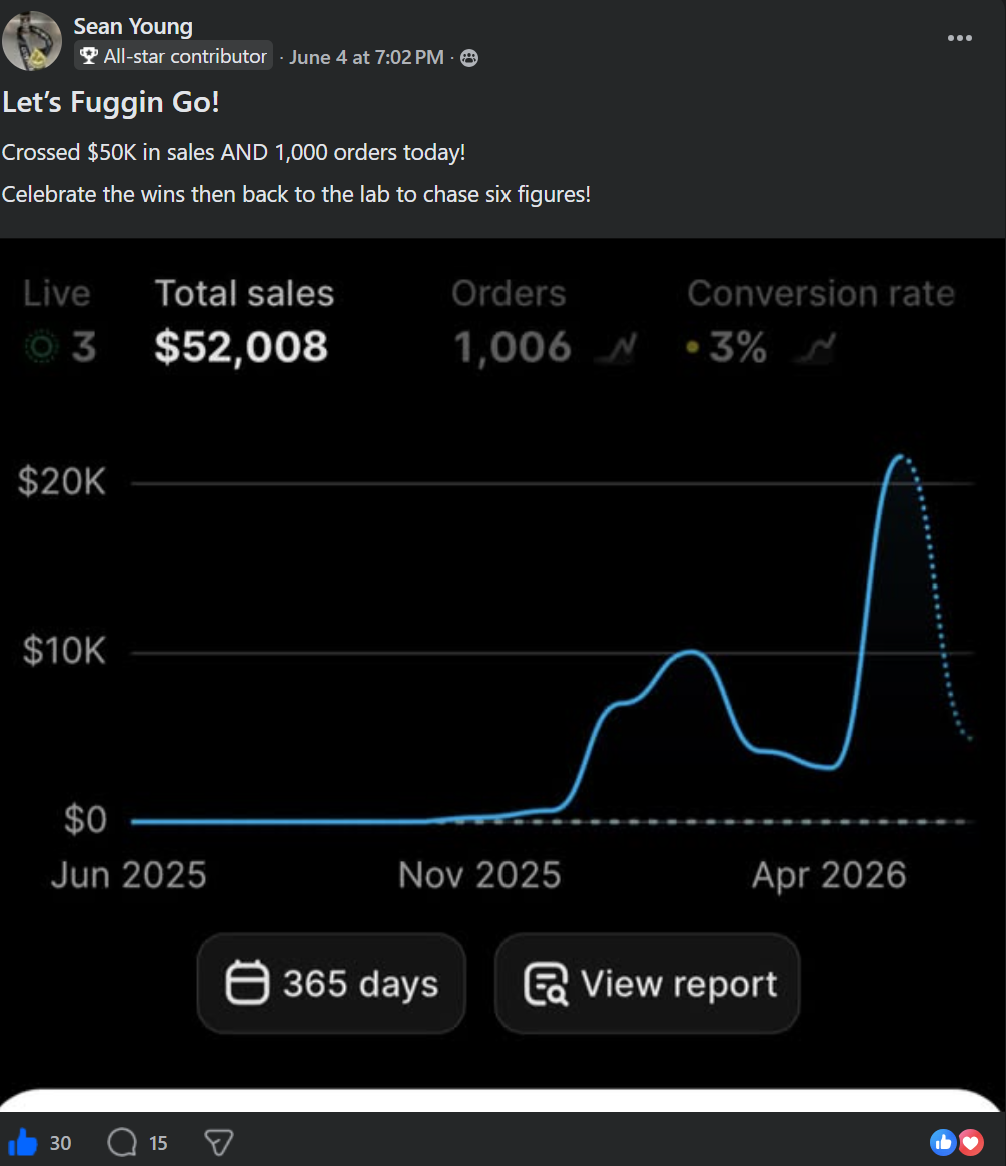
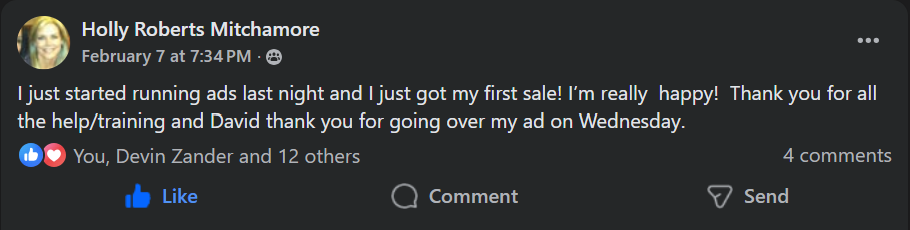
Students like Adam Schneider ($500K+), Sean Young ($50K+), and hundreds of others prove it works. They’re not fighting tier systems or fearing account bans—they own their businesses outright.
Ready to build your own POD brand? Watch the free training to see exactly how the Apparel Cloning System methodology works.
FAQ
Is Shopify POD harder than Merch by Amazon?
Initially, yes—you need to learn ads and marketing. But Merch by Amazon has its own challenges: waiting months for tier-ups, competing with millions of designs, and zero customer ownership. The skills you learn with Shopify (running ads, building brands) transfer to any business.
How much money do I need to start?
Budget $500-1,000 for your first 90 days: Shopify subscription ($39/month), domain ($15), and ad testing budget ($300-500). This is comparable to waiting months on Amazon with 10 design slots.
Can I do both Amazon and Shopify?
Yes—many successful sellers use Amazon for passive exposure while building their Shopify brand. Just don’t put all your eggs in Amazon’s basket.
What if I have no design skills?
AI tools like AvatarIQ generate professional designs from text prompts. The Apparel Cloning System teaches how to research winning concepts so you know what to create—no artistic ability required.