How to Price Print on Demand Products for Maximum Profit (2026)
Why Pricing Makes or Breaks Your Print on Demand Business
Most new print on demand sellers make the same fatal mistake: they price their products based on gut feeling. They pick a number that “feels right” without understanding the math behind profitable pricing. The result? Razor-thin margins that disappear the moment they run ads.
After coaching hundreds of POD entrepreneurs at Skup, I’ve seen pricing confusion kill more businesses than bad designs ever could. The good news? Once you understand the formula, pricing becomes one of the simplest parts of your business.
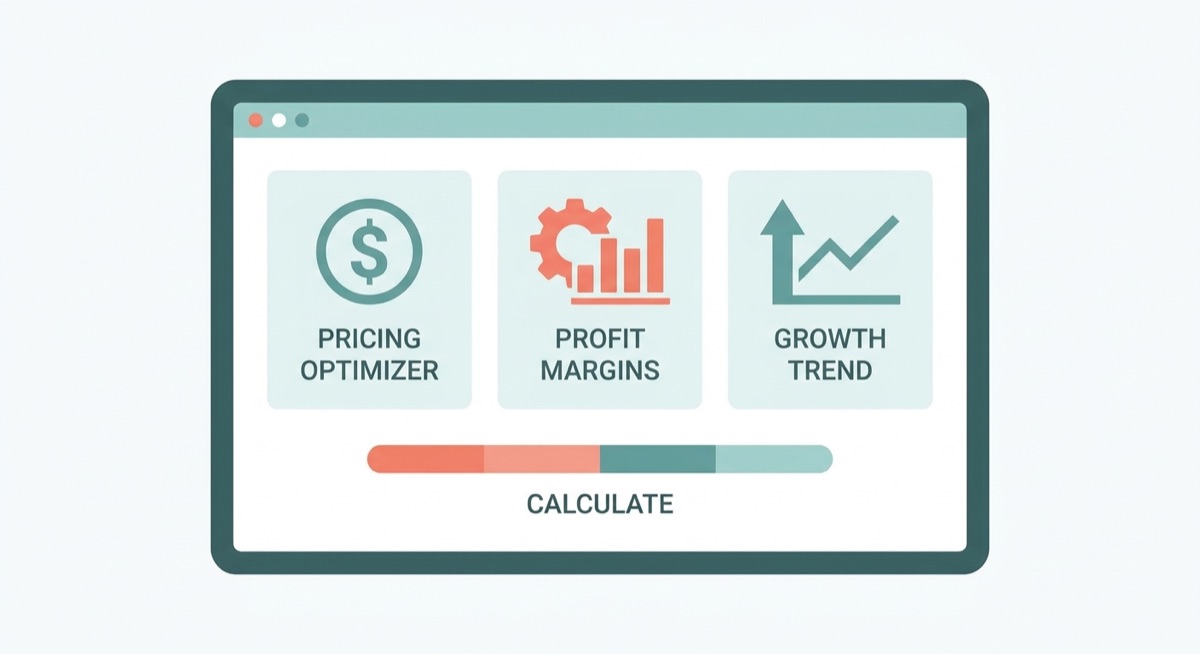
The Print on Demand Pricing Formula
Every successful POD seller uses some version of this calculation:
Selling Price = Base Cost + Shipping + Profit Margin + Ad Spend Buffer
Let’s break down each component:
Base Cost: What your supplier charges to produce the item. For a standard t-shirt through most POD suppliers, expect $8-15 depending on quality and printing method.
Shipping: Either build this into your price or charge separately. Most successful stores offer “free shipping” by adding $4-7 to the product price.
Profit Margin: Your actual take-home money. Aim for at least $10-15 per item minimum.
Ad Spend Buffer: If you’re running Facebook or TikTok ads, you need room in your margins. A good rule: assume you’ll spend $10-15 to acquire each customer.
Real Numbers: What Your Pricing Should Look Like
Here’s an example using a standard t-shirt:
- Base cost: $12
- Shipping buffer: $5
- Profit margin: $12
- Ad buffer: $10
- Minimum selling price: $39
Yes, $39 for a t-shirt. I know what you’re thinking—”Nobody will pay that!” But here’s the truth: people pay premium prices for designs they connect with emotionally. Your job isn’t to compete on price. It’s to create products people actually want.

The Psychology of Premium Pricing
Cheap prices signal cheap quality. When you price a shirt at $19.99, customers assume it’s disposable fast fashion. Price that same shirt at $34.99 and suddenly it’s a “statement piece.”
Our most successful Skup students consistently price above market average. Adam Schneider built a $500K business selling shirts at $35+. Sean Young hit $50K with similar pricing. They didn’t race to the bottom—they built brands worth paying for.
Three psychological pricing tactics that work:
Charm pricing: $34.99 feels significantly cheaper than $35.00, even though it’s only a penny difference.
Anchor pricing: Show a “compare at” price or bundle products to make your actual price feel like a deal.
Value stacking: Emphasize what they’re getting—premium materials, exclusive design, satisfaction guarantee—to justify higher prices.
How to Test Your Prices
Don’t guess. Test.
Run two identical ad sets with different landing pages—one at $29.99 and one at $39.99. Track which generates more total profit, not just more sales. Often, higher prices with fewer sales beat low prices with high volume.
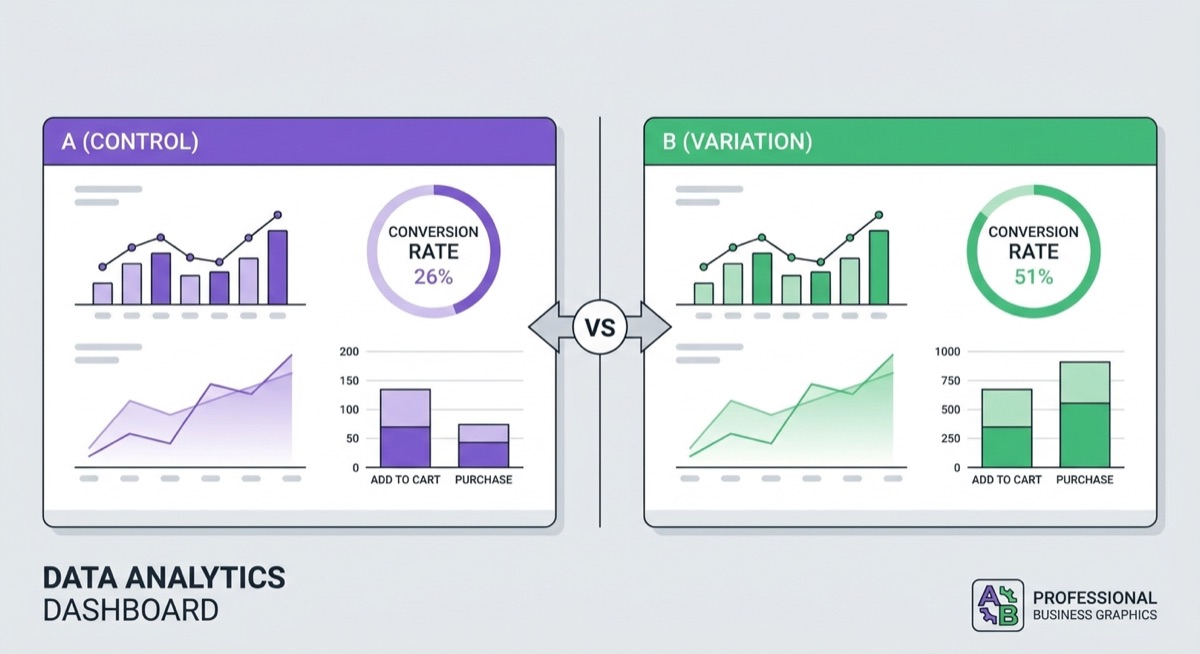
Watch your metrics closely:
- Conversion rate: Should stay above 1-2% for cold traffic
- Average order value: Higher is always better
- Return rate: Premium pricing often means fewer returns because buyers are more committed
- Customer acquisition cost: Your ads need room to breathe
Common Pricing Mistakes to Avoid
Copying competitor prices: You don’t know their costs, margins, or strategy. Price based on YOUR business model.
Forgetting platform fees: Shopify, Stripe, and PayPal all take their cut. Factor in 3-5% for payment processing.
Ignoring returns: Budget for 5-10% of orders being returned or refunded. That cost has to come from somewhere.
Racing to the bottom: There’s always someone willing to lose money longer than you. Compete on value, not price.
When to Raise (or Lower) Your Prices
Raise prices when:
- Your conversion rate is above 3% consistently
- You’re selling out of inventory (for hybrid models)
- Customer feedback focuses on quality, not price
- Your ROAS is healthy and you want more margin
Lower prices when:
- Traffic is high but conversions are dead
- Split tests consistently show lower prices winning
- You’re testing a new product and need data fast
The Bottom Line
Pricing isn’t just math—it’s positioning. When you price your products correctly, you attract better customers, run more profitable ads, and build a sustainable business instead of a hobby that bleeds money.
Start with the formula above. Test relentlessly. And remember: the goal isn’t to sell the most units. It’s to build a business that actually pays you.
Ready to master the complete POD business model? Learn more about Skup’s coaching program where we help entrepreneurs like you build profitable stores from scratch.