How to Write Product Descriptions That Sell for Print on Demand (2026)
How to Write Product Descriptions That Sell for Print on Demand (2026)
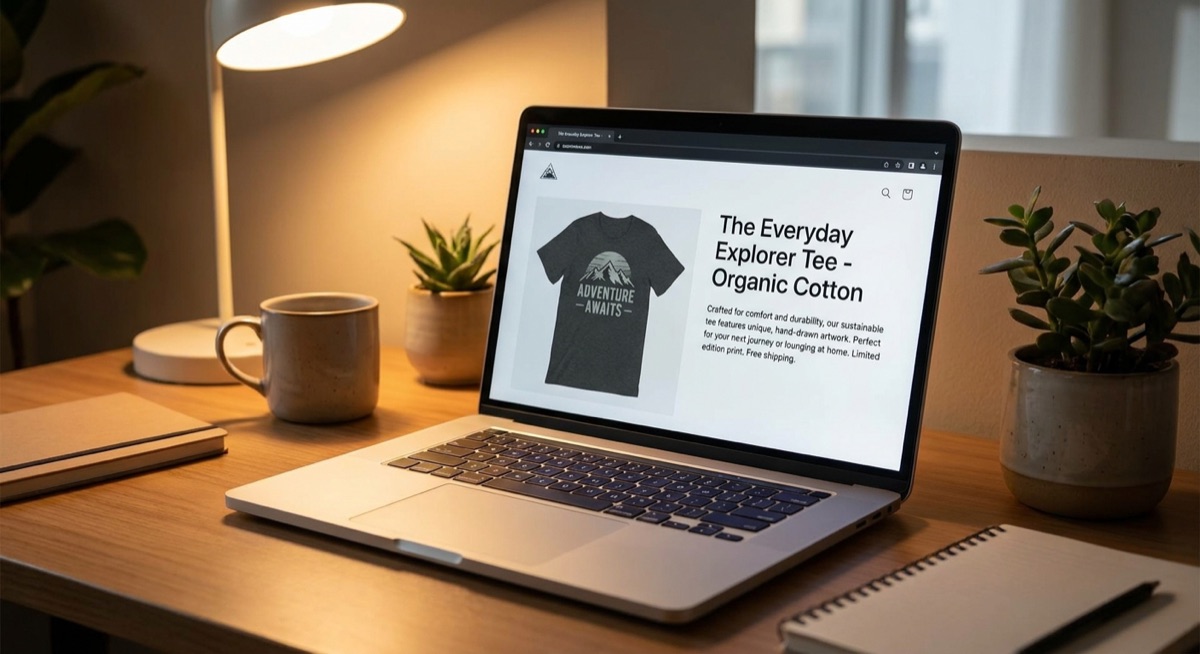
You’ve got a great design. Your mockups look professional. Your ads are running. But visitors land on your product page and leave without buying. The problem? Your product descriptions are killing your conversions.
Most print-on-demand sellers treat descriptions as an afterthought—a few generic sentences about fabric quality and shipping. That’s a mistake. Your product description is your silent salesperson, and it needs to close the deal when you’re not there.
Quick Answer
Effective print-on-demand product descriptions focus on the emotional benefit (not just features), speak directly to your target customer’s identity, and overcome objections before checkout. Keep descriptions between 150-300 words, lead with the transformation your product offers, and always include sizing guidance to reduce returns.
Why Most POD Descriptions Fail
Generic descriptions like “This comfortable t-shirt is made from 100% cotton” tell shoppers nothing about why they should buy from you. Your customer already knows it’s a t-shirt. They can see the material in the specs.
What they need to know is: “Is this shirt for me? Will wearing it say what I want to say about myself?”
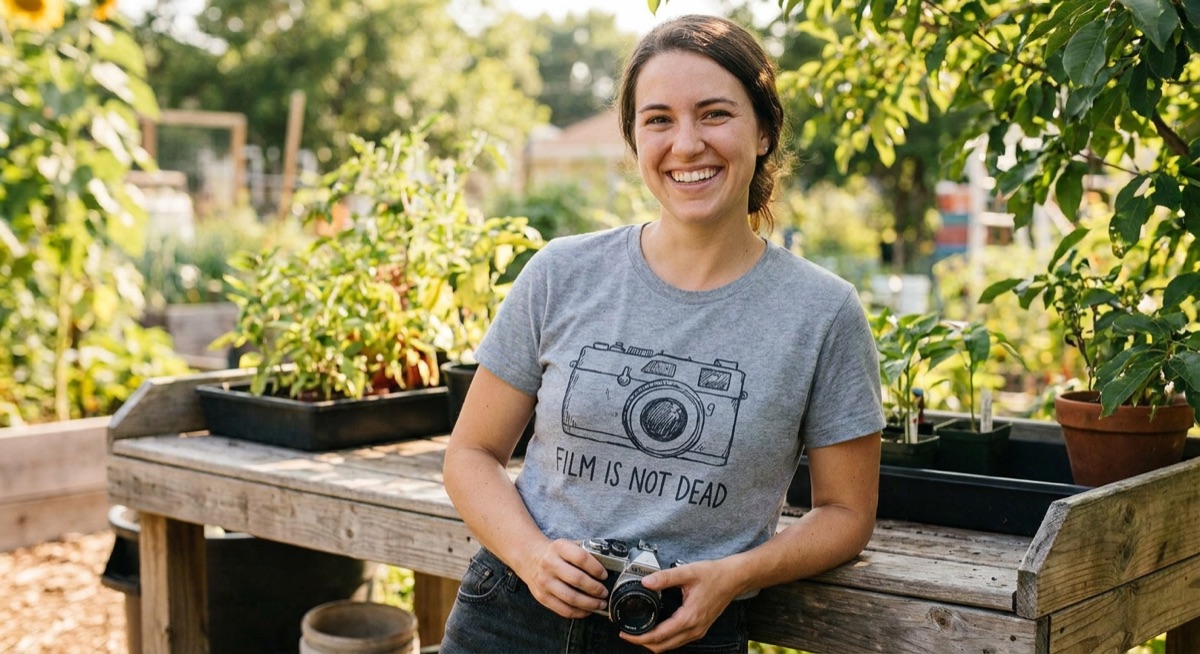
Print-on-demand is inherently about identity. People buy designs that represent who they are, what they believe, or what tribe they belong to. Your description needs to tap into that identity.
The Anatomy of a High-Converting Description
1. Lead with the Emotional Hook
Start with who this product is for and how it makes them feel. Skip the features—those come later.
Weak: “Our premium hoodie features a unique design printed with state-of-the-art technology.”
Strong: “For the dad who’d rather be on the lake than in a meeting. Let everyone know where your heart really is.”
The strong version immediately connects with an identity (fishing dad) and an emotion (escape, authenticity).
2. Paint a Picture
Help shoppers visualize owning and wearing your product. When will they wear it? What compliments will they get? How will they feel putting it on?
“Imagine pulling this on for Sunday morning coffee, your family finally understanding your hobby obsession, or wearing it to the tournament and spotting three strangers with the same shirt—instant friends.”
3. Address Objections
Every shopper has hesitations. Your description should handle the most common ones:
- Quality concerns: “Premium ring-spun cotton that gets softer with every wash”
- Fit worries: “True to size—order your normal size for a classic fit, size up for relaxed”
- Print durability: “Direct-to-garment printing that won’t crack, peel, or fade”

4. Include Social Proof When Possible
If you have reviews, reference them: “Join the 500+ dads who’ve made this their go-to weekend shirt.” Even without reviews, you can imply community: “Part of a growing tribe of [niche] enthusiasts.”
5. End with a Micro-CTA
Don’t just trail off. Give them a reason to act: “Grab yours before the weekend” or “Limited design—once it’s gone, it’s gone.”
The 150-Word Template That Works
Here’s a plug-and-play structure you can adapt for any design:
Line 1: Identity statement (who this is for)
Lines 2-3: Emotional benefit or scenario
Lines 4-5: Why this design/product is special
Lines 6-7: Quality assurances (materials, printing, durability)
Line 8: Sizing note
Line 9: Micro-CTA
Example for a “Dog Mom” design:
“For the woman whose dog isn’t a pet—they’re family. This isn’t just another dog shirt. It’s a conversation starter at the park, a smile from strangers who get it, and the most comfortable tee you’ll reach for every weekend. Printed on premium cotton that gets softer with every wash. True to size—check our size chart if you’re between sizes. Your pup approves. Do you?”
Common Mistakes to Avoid
- Copying supplier descriptions: These are generic, duplicate content that hurts your SEO and conversions
- Feature dumping: Leading with fabric weight and printing method instead of benefits
- Talking to everyone: “Great gift for anyone who likes [thing]” speaks to no one specifically
- Ignoring mobile: Keep paragraphs short—most shoppers read on phones
- Forgetting size guidance: The #1 cause of returns is sizing issues
Tools to Speed Up Your Writing
Writing descriptions for hundreds of products gets tedious. Here’s how Skup students handle it:
- Create templates by niche: Have 3-4 base descriptions per niche you can customize
- Use AI as a starting point: Generate drafts, then edit for your brand voice
- Study competitors: What language resonates? What objections do reviews mention?
The goal isn’t perfection on day one—it’s testing and iteration. Your first description won’t be your best. Watch your conversion data and refine.
FAQ
How long should a print-on-demand product description be?
Between 150-300 words is ideal for most products. Long enough to address objections and create emotional connection, short enough that mobile shoppers will actually read it. For higher-priced items like hoodies or premium products, you can go longer (up to 400 words).
Should I use bullet points or paragraphs?
Use both. Start with a paragraph hook for emotion, then use bullets for quick-scan features and quality points. This accommodates both readers who want the full story and skimmers looking for key details.
Do product descriptions affect SEO?
Yes. Unique, keyword-rich descriptions help your product pages rank in Google. Never copy supplier descriptions—you’ll be competing with thousands of other stores using identical text.
The Bottom Line
Your product descriptions aren’t just information—they’re your 24/7 sales team. Treat them with the same care you give your designs. Lead with identity and emotion, address objections proactively, and always include clear sizing guidance.
The difference between a description that converts and one that doesn’t often comes down to ten minutes of extra effort. Your ads drove traffic to the page—don’t let weak copy waste that investment.
Inside the Skup Incubator, we review student product pages and descriptions in live coaching calls, showing exactly what changes drive higher conversions. Small tweaks to copy often produce bigger results than spending more on ads.