Every Print on Demand Mistake We’ve Seen in 100+ Coaching Calls (And How to Fix Them)
Table of Contents
- Quick Overview
- Mindset Mistakes That Kill Momentum
- Design Creation Mistakes
- Facebook Ads Mistakes
- Store and Technical Mistakes
- Testing and Scaling Mistakes
- Trademark and Legal Mistakes
- Real Students Who Fixed These Mistakes
- Frequently Asked Questions
- The Bottom Line
Quick Overview
After analyzing over 100 live coaching calls with print on demand students, we’ve identified the most common mistakes that separate successful POD sellers from those who struggle. The biggest problems aren’t technical—they’re mindset issues like indecision, giving up too early, and not treating this as a real business. Students who fix these core issues and follow a proven system consistently hit their first $1,000 months within 60-90 days.

Mindset Mistakes That Kill Momentum
Before we dive into tactics, let’s address what Matt Schmitt, Skup co-founder, calls “the real reason most people fail.” In coaching call after coaching call, the same patterns emerge—and they’re not about Facebook ads or product selection.
Mistake #1: Indecision Kills More Dreams Than Bad Decisions
“Indecision kills more dreams than bad decisions,” Matt explains in a recent coaching call. “You’re not taking the action that you know you should take because you’re nervous or it’s a risk. But welcome to entrepreneurship—you’re gonna be unsure about a lot of things.”
The data backs this up. Students who submit questions, post in the community, and take action—even imperfect action—dramatically outperform those who wait for the “perfect” moment. In Matt’s words: “You miss 100 percent of the shots you don’t take.”
The fix: Set a daily action quota. The Skup 60 Challenge requires students to complete 5 daily tasks, no exceptions. Those who stick with it see results within 30-60 days.
Mistake #2: Giving Up After One Failed Attempt
“What fucking thing in this world worthwhile is gonna happen the first time you try?” Matt asks students. “Babe Ruth struck out more times than he hit home runs. Tiger Woods missed more putts than probably anybody on this planet. MJ missed more shots. Kobe missed more shots.”
The reality is that successful POD sellers typically test 3-5 variations of each product before declaring it a winner or moving on. Most beginners give up after a single $25 ad spend doesn’t produce immediate sales.
The fix: Budget for 2-3 rounds of testing per product. If you’re spending $25/day, expect to spend $75-150 per product before you know if it works. This is normal, not failure.
Mistake #3: Expecting Overnight Results
In a survey of 712 Skup students, 62.7% were complete beginners. Many came with unrealistic expectations about timeline. The students who struggle most are those who “expect to be rich immediately,” as the coaching team puts it.
Reality check: Most successful students hit their first consistent $1,000 month within 90 days. Their first $10,000 month typically comes 6-12 months in. This is a skill that compounds over time.
The fix: Set 90-day goals, not 9-day goals. Track your progress weekly, not hourly. Celebrate small wins—your first add to cart, your first sale, your first profitable day.

Mistake #4: Treating This as a Hobby Instead of a Business
“If you want a business, you have to treat it like a business,” Matt emphasizes. “That requires you to risk some money. If this was a surefire thing, I wouldn’t be teaching you—I’d be on a beach in Mexico.”
The students who fail treat print on demand like a lottery ticket. The ones who succeed treat it like a small business that requires consistent daily effort, reinvestment, and skill development.
The fix: Schedule specific work hours for your POD business. Track your expenses and revenue. Set monthly goals and review them weekly. This isn’t a side project—it’s a business.
Mistake #5: Shiny Object Syndrome
One of the most common patterns in struggling students: jumping from strategy to strategy, niche to niche, or platform to platform without giving anything enough time to work.
“Short term thinking over long term,” the coaching team observes. “Gimmicks versus brand building. Shiny object syndrome. These keep people broke.”
The fix: Commit to one niche and one platform for at least 90 days. Master the fundamentals before adding complexity. Your first goal is one winning product, not a diversified portfolio.

Design Creation Mistakes
Design is where many beginners go wrong. They create what they think looks cool instead of what the data shows actually sells.
Mistake #6: Creating Badge-Style Designs That Don’t Sell
In a recent coaching call, a student shared a badge-style design that blended multiple elements together. The coach’s response was direct: “This style here is not what people are looking for. I don’t see anything on Etsy that looks like that kind of badge style design.”
T-shirt design rules are different from other graphic design. Elements need to be separated, not blended. Heavy, busy designs feel plasticky and uncomfortable when printed.
The fix: Before creating any design, search Etsy and Amazon for similar products. Study what’s actually selling. “Everything you do is based on data,” the coaches emphasize. “You are never winging it here.”
Mistake #7: Not Using Data to Guide Design Decisions
“Never make a design just based off of something in your head,” the coaching team advises. “Follow the patterns you see around you.”
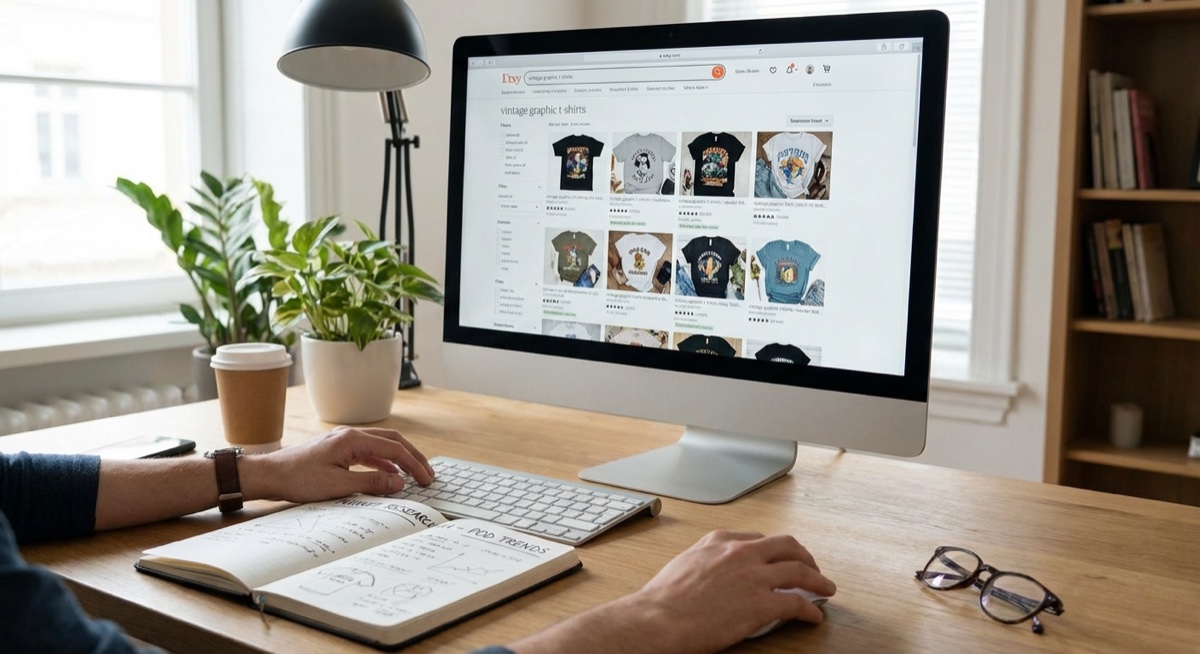
Students who succeed spend time researching before creating. They look at bestsellers, analyze what’s working for competitors, and reverse-engineer successful designs. Those who struggle create in a vacuum based on personal preference.
The fix: Spend 30 minutes researching before you spend 30 minutes designing. Use tools like Erank, Marmalead, or even just Etsy search to see what’s trending in your niche.
Mistake #8: Creating Square Images for All Placements
When running Facebook ads, image dimensions matter. A square image that looks great in your feed looks terrible in Stories or Reels placements.
As one coach explains: “If you’re running ads that are not 4×5 format, turn off Stories and Reels placements. It’s not gonna look good in those placements, and they typically don’t get good conversions when they’re not sized correctly.”
The fix: Create your ad images in 4:5 aspect ratio (1080×1350 pixels). This works well across feed, stories, and reels without cropping issues.
Mistake #9: Only Creating One Version of a Design
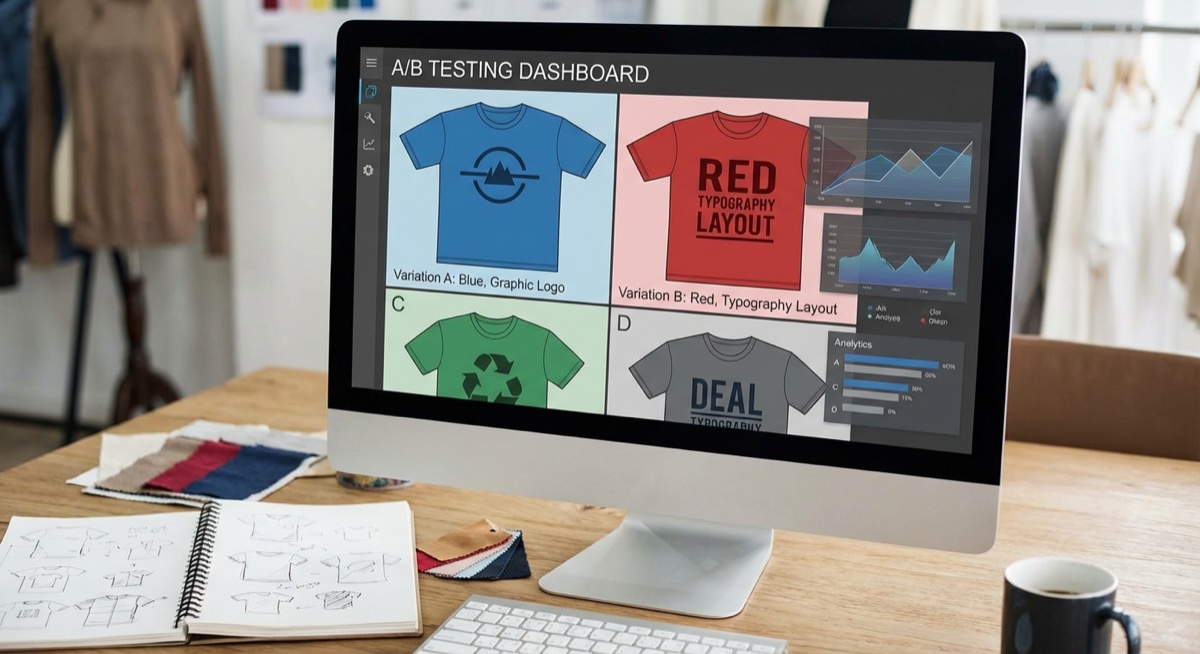
Successful sellers create multiple variations of each design. Different color schemes, different fonts, different arrangements. This isn’t extra work—it’s how you find winners.
“Generate 2 or 3 versions of the same design,” coaches advise. The design that you think is best often isn’t the one that sells. Let the market decide.
The fix: For every design concept, create at least 3 variations. Test them all. Let the data tell you which one wins.
Facebook Ads Mistakes
Facebook advertising is where most of the confusion—and wasted money—happens. Here are the mistakes we see most often.
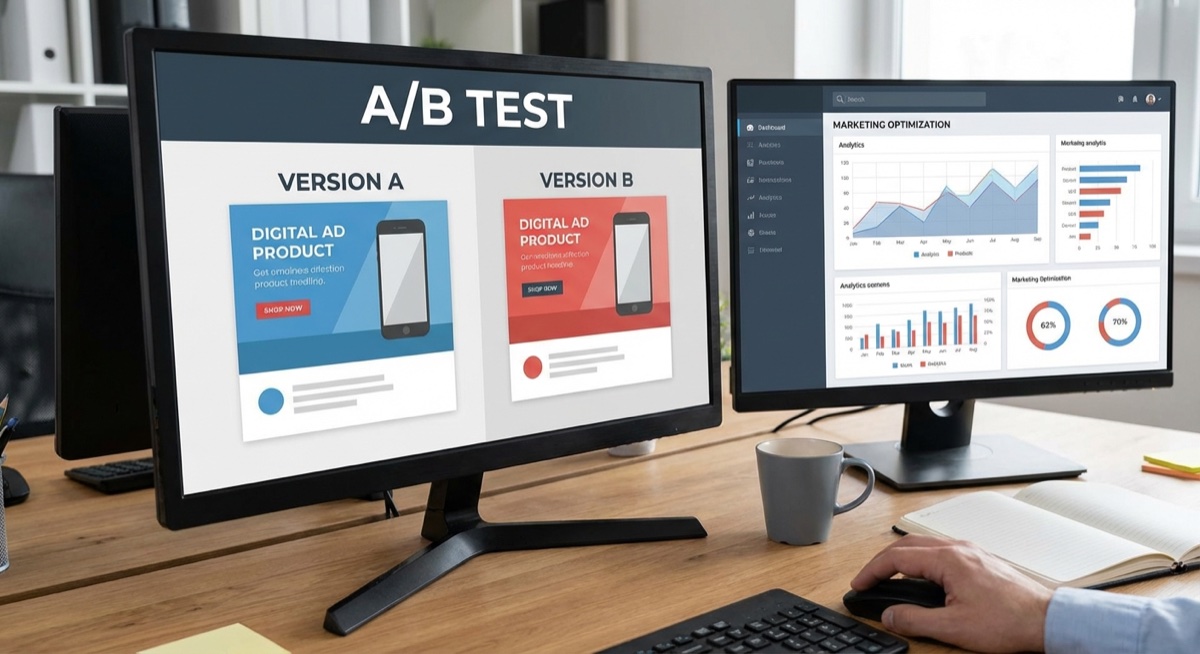
Mistake #10: Not Testing Enough Variations
The coaches have a specific formula for how many ad variations you need based on budget:
- $25-50/day budget: 5 images, 2 headlines, 2 pieces of copy per product
- $50-100/day budget: 8-10 images, 2 headlines, 2 pieces of copy per product
- $100-200/day budget: 8-12 images, 3 headlines, 3 pieces of copy per product
Most beginners launch with 1-2 images and wonder why they’re not getting results. You need enough variations to let the algorithm find what works.
The fix: Follow the formula above. Create more variations than you think you need. The extra hour of creative work saves days of wasted ad spend.
Mistake #11: Leaving Meta’s Automatic Settings Enabled
“Every time I do something in ads manager and I turn around, they keep turning more stuff on,” one frustrated student reported. This is a common complaint—and a costly mistake.
Meta automatically enables features like Audience Network, expanded placements, and Advantage+ settings that optimize for Meta’s benefit, not yours. These can drain your budget fast on low-quality traffic.
The fix: After creating any ad, go through every setting manually. Turn off Audience Network. Disable automatic placements you don’t want. Check the “allow limited spend” box is unchecked. Review your ads before every launch.

Mistake #12: Touching Ads That Are Working
“If it’s working, don’t touch it,” is perhaps the most repeated phrase in coaching calls. Yet students constantly break this rule.
One student shared: “I was sending people to the wrong product from my ad. It’s the best ROAS I’ve ever had. I should’ve left it alone but I couldn’t help myself.”
The urge to optimize working campaigns often kills them. Meta’s algorithm is sensitive to changes. What seems like a minor tweak can reset learning and destroy performance.
The fix: Hands off working ads. If you want to test changes, duplicate the campaign and test in a new version. Never edit a profitable ad.
Mistake #13: Killing Ads Too Early
Related to mistake #2, many students shut off ads before they have enough data. The algorithm needs time to learn and optimize.
“I would turn it off,” a coach advises a student, “but let’s look at the last 3 days first.” Context matters. A single bad day doesn’t mean an ad is dead—it might be the algorithm still learning.
The fix: Use the 2x cost-per-purchase rule. If an ad spends 2x your target cost per purchase without a sale, turn it off. But don’t panic after $10 of spend with no results.

Mistake #14: Not Using UTM Parameters
UTM codes are an additional layer of tracking that tells you exactly where each sale came from. Many students skip this step, leaving them guessing about which ads actually work.
“The UTM allows you to identify the actual winning ad,” coaches explain. “Meta could say you got a sale from Facebook, but the UTM that passes through to Shopify will say the person came from Instagram, from ad 3.”
The fix: Add UTM parameters to every ad you create. Copy the standard code into your URL parameters section. This takes 5 seconds and saves hours of confusion later.
Mistake #15: Running Ads to an Unverified Store
“If you kept running into store problems, I wouldn’t even be running ads right now,” a coach advises a struggling student. “You’re sending traffic to pages we’re not 100% sure work.”
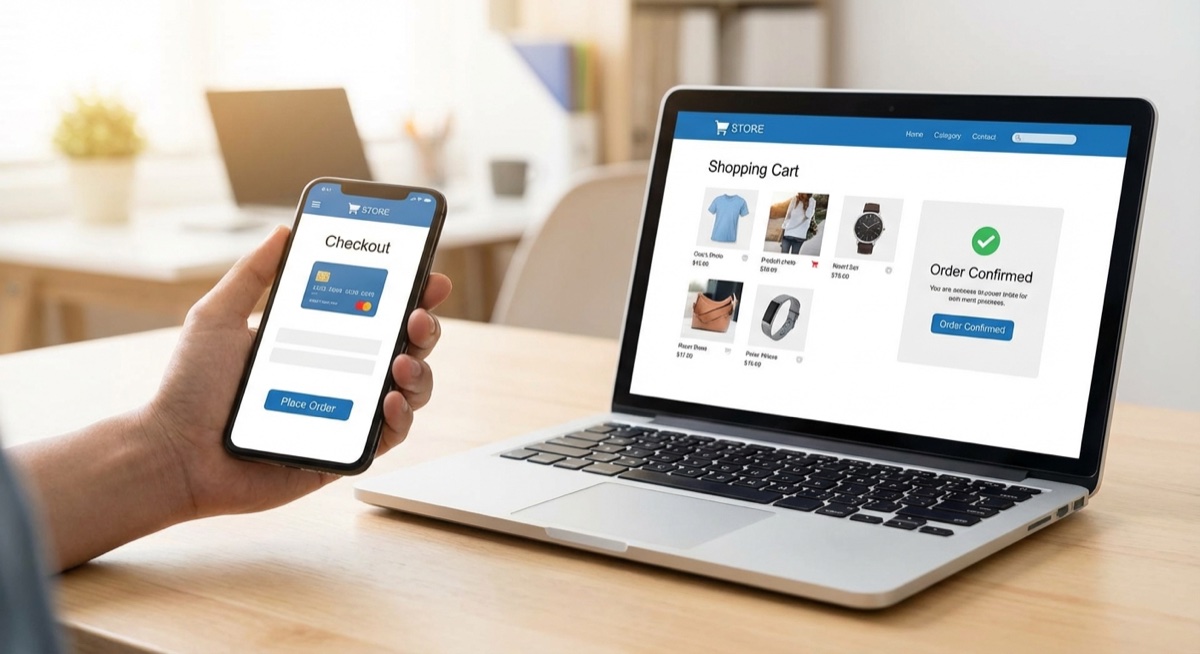
Before spending money on ads, your store needs to be bulletproof. Test every product. Complete a test purchase. Make sure your checkout works on mobile. Fix any cart issues.
The fix: Complete a full test order before running ads. Check your store on multiple devices. Ask a friend to try purchasing. Find and fix problems before you spend on traffic.
Store and Technical Mistakes
Mistake #16: Complicated Cart Apps That Break Things
One student spent weeks debugging cart issues caused by a “Monster Cart” app that kept creating phantom discounts and shipping errors. “I can’t stop having issues with my cart,” she reported.
The more apps and plugins you add, the more potential for conflicts and bugs. Simple stores convert better than complicated ones.
The fix: Start with a minimal store. Only add apps when you have a specific problem to solve. If an app causes issues, remove it immediately—don’t try to fix it.
Mistake #17: Not Setting Up Tax Certificates
Once you’re making over $1,000/month, you’re probably overpaying on sales tax. Many students don’t realize they can file tax exemption certificates with their print provider.
“It got me an extra 2-3 dollars per order,” one successful student reports. “That’s losing probably 2-3 percent on all your orders if you don’t do it.”
The fix: Once you hit consistent sales, use ChatGPT to help you file tax certificates with Printify or Gelato. It takes a few hours but saves thousands over time.

Mistake #18: Wrong Pricing Strategy
Pricing is a balancing act. Too low and you can’t afford profitable advertising. Too high and you price yourself out of impulse purchases.
One student was surprised to learn that with a $69.99 embroidered hoodie, after costs, she could still make nearly $30 profit per sale—but only if her ads were dialed in.
The fix: Know your breakeven ROAS. Calculate all costs: product, shipping, processing fees, returns. Then price to allow at least 40% margin for advertising.
Testing and Scaling Mistakes
Mistake #19: Giving Up on Products After One Test
“I’m spending anywhere from $100-200 to test one singular product multiple ways before I say this isn’t working,” a coach reveals. “If you have 5 products, you may have to spend $1,000 before you run through all the different ways you could promote them.”
Most students spend $25-50 on a product, see no immediate sales, and move on. They’re not testing—they’re gambling.
The fix: Budget for 3 rounds of testing per product. Different images, different copy, different angles. Only move on after you’ve genuinely given a product a fair chance.
Mistake #20: Not Building an All-Star Campaign
Once you have multiple products producing sales, you should consolidate your winners into a single “all-star” campaign. Most students keep winners scattered across multiple campaigns, missing the compounding effect.
“When that campaign produces over 50 purchases, it just runs after that,” coaches explain. “It just goes.”
The fix: Create an all-star campaign with all your proven products. Set a higher budget (coaches recommend $75-100/day minimum). Let Meta’s algorithm find the best performers.
Mistake #21: Not Optimizing for Value
Most students optimize for purchases. But once you have consistent sales volume, you can unlock a more powerful strategy: optimizing for purchase value.
“What will happen is if this works, your ROAS will be higher because it’s optimizing for higher value purchases,” coaches explain. “Instead of averaging a 1.7, it’s looking for people who typically buy more than 2 products.”
The fix: Once you’re getting 5+ sales per day consistently, test a campaign optimizing for “value of conversions” instead of just conversions. This can dramatically improve your average order value.
Trademark and Legal Mistakes
Mistake #22: Not Checking Trademarks Before Creating
“If it’s the name of a movie, it’s trademarked,” coaches warn. “Every movie, every TV show, names of characters sometimes, names of teams, symbols of teams—all trademarked.”
One student had their entire Facebook ad account locked after advertising a design with “Grinch” on it. They’re still trying to recover access.
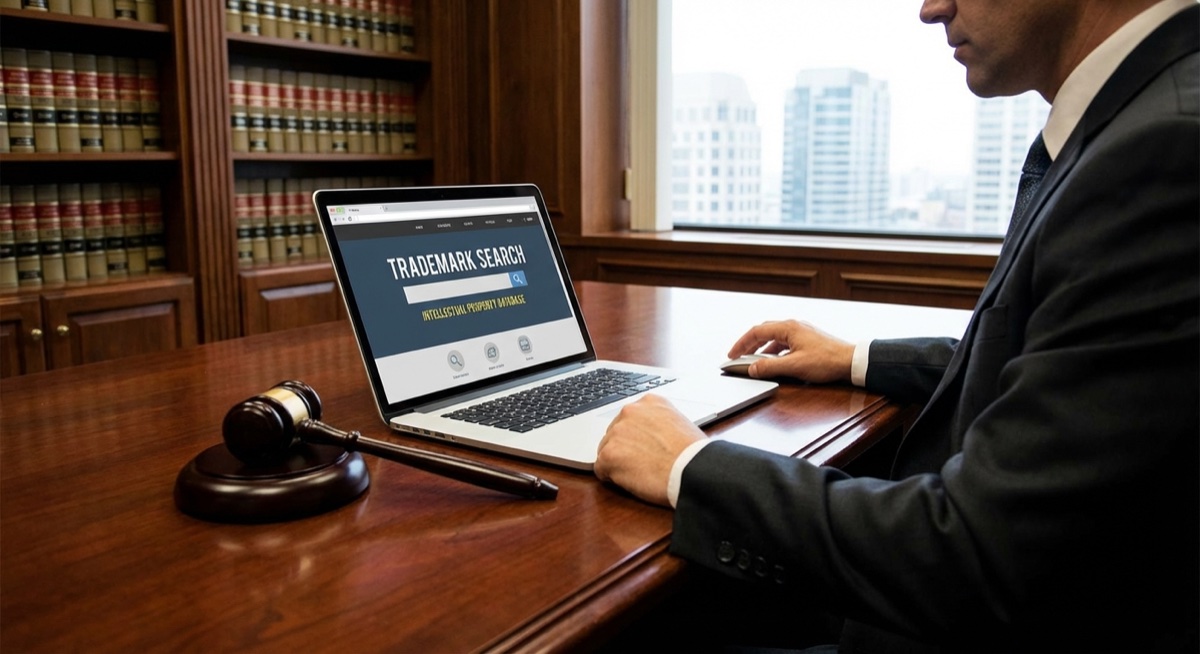
The fix: Before creating any design referencing pop culture, search USPTO.gov. Check class 025 specifically (clothing/apparel). When in doubt, don’t use it.
Mistake #23: Using Trademarked Terms in Ad Copy
Even if your design is safe, putting trademarked terms in your product title or ad copy can trigger enforcement. “Don’t put the word Demogorgon in your title,” coaches advise. “You don’t need it.”
The fix: Keep your titles and descriptions generic. Reference themes and vibes, not specific trademarked names. Your design can suggest a connection without explicitly stating it.
Mistake #24: Avoiding Pop Culture Entirely
The opposite mistake: avoiding all pop culture references out of trademark fear. “No, man. There’s money in pop culture references. Big money,” coaches clarify.
The key is understanding what is and isn’t protected. Movie quotes are almost never trademarked. Character names sometimes are, but visual references to themes often aren’t.
The fix: Study what successful sellers on Etsy are doing. If dozens of sellers have products referencing a show without issues, you’re probably safe. Learn the boundaries, don’t just avoid the entire category.
Real Students Who Fixed These Mistakes
Theory is one thing. Results are another. Here are real students who overcame these mistakes:
Adam Schneider: From Struggling to $500K
Adam Schneider went from struggling with basic ads to reaching over $500K in total sales by February 2026, including a $5,000+ record sales day. His secret? “I stopped trying to be clever and started following the system exactly.”
Adam now teaches other students and emphasizes the importance of consistency over creativity. “Most of my winners came from designs I didn’t think were that special. The market decided.”
Sean Young: Methodical Testing to $10K+
Sean Young hit the $10K sales milestone by approaching POD like a science experiment. He tracks everything, tests systematically, and doesn’t let emotions drive decisions.
“The biggest shift was accepting that most of what I try won’t work,” Sean explains. “But when you find something that works, you scale it hard.”
Frank Lacy: $10K From Starting Late
Frank Lacy achieved almost $10K in sales and broke 200 orders by February 2026—despite starting later than many other students. His approach: treating every coaching call as homework.
“I write down every mistake that’s mentioned and check it against my own store,” Frank shares. “Half the time I’m making the same mistakes without realizing it.”

Thomas Skrodzki: Weekend Warrior Success
Thomas Skrodzki has hit $600+ weekends while working a full-time job. His success came from finally committing to one niche instead of constantly jumping around.
“I wasted my first two months trying everything,” Thomas admits. “Once I picked one niche and went all in, things started working.”
Ernso Marcelin: Consistent Daily Sales
Ernso Marcelin went from sporadic sales to consistent 5-6 order days by fixing his Facebook ads structure. The key change: creating enough variations to let the algorithm optimize.
“I was running 2 images and wondering why nothing worked,” Ernso recalls. “Once I started with 5-8 images per product, my results completely changed.”
Frequently Asked Questions
How much should I budget to test one product properly?
Budget $75-200 per product for thorough testing. This includes 2-3 rounds of ads with different creative variations. Most successful students spend $100+ before deciding if a product works or doesn’t.
How long should I run an ad before deciding it doesn’t work?
Use the 2x rule: if you’ve spent 2x your target cost per purchase without a sale, turn it off. For most students targeting a $15-20 cost per purchase, that means around $30-40 of spend per ad variation.
Should I use Printify or Gelato?
Both are excellent options with similar pricing. Gelato has better integration with Sofia (Skup’s AI tool). Printify has slightly more product options. Choose one and commit—switching later is complicated once you have products loaded.
How many products should I test at once?
Start with 2 products maximum. Give each one proper testing before moving on. Once you have a winner, you can expand, but spreading too thin early is a common mistake.
When should I create an all-star campaign?
Once you have 3-5 different ads or products that have each produced multiple sales. Combine them in a CBO campaign at $75-100/day and let Meta find the best performers.
How do I know if my ROAS is good enough?
Calculate your breakeven ROAS by dividing your selling price by your profit margin. Most students need a 1.7-2.0 ROAS to break even. Anything above your breakeven is profit.
Is print on demand still profitable in 2026?
Absolutely. Students are still hitting their first $1,000 days, $10K months, and beyond. The market is competitive but far from saturated—especially in underserved niches.
What’s the biggest mistake that kills new POD businesses?
Giving up too soon. Most students quit during the learning phase before they’ve given the business a real chance. The ones who push through the first 90 days of testing and learning almost always find success eventually.
The Bottom Line
After analyzing 100+ coaching calls, the pattern is clear: success in print on demand comes from avoiding these common mistakes and following a proven system consistently.
The students who succeed aren’t necessarily more talented or luckier. They’re the ones who:
- Take action despite uncertainty
- Test enough variations before giving up
- Follow data instead of hunches
- Treat this as a business, not a lottery ticket
- Stay accountable to daily action
As Matt Schmitt puts it: “The people who make it are the people who failed infinitely more times than you. So if you give up after your first handful of failures, you’re never gonna make it by the pure definition of it.”
Ready to fix these mistakes in your own business? Join the Skup community to get access to live coaching calls, proven systems, and a network of students who are walking this path alongside you.