How to Find Your First Winning Print on Demand Design: The Complete Methodology (2026)
Quick Overview
Finding a winning print on demand design isn’t luck—it’s a systematic process that successful POD entrepreneurs follow every single day. This comprehensive guide breaks down the exact methodology used by Skup students who have generated over $50 million in collective sales, including how to research trending designs, create variations that convert, test effectively with Facebook ads, and scale winners once you find them.
Table of Contents
- What Makes a “Winning” Design?
- The Research Phase: Finding Design Ideas That Actually Sell
- Creating Designs That Convert: The AvatarIQ Method
- The Facebook Ads Testing System
- Reading the Data: When to Keep, Kill, or Scale
- 10 Design Mistakes That Kill Your Conversions
- Real Examples from Skup Students
- Frequently Asked Questions
- The Bottom Line
What Makes a “Winning” Design?
Before diving into methodology, let’s define what we’re actually looking for. A winning design in print on demand isn’t just something that looks cool—it’s a design that profitably converts cold traffic into paying customers.
The metrics that define a winner:
- Cost per click under $1.50: People are interested enough to click
- Add to cart cost under $10: Visitors are considering purchase
- ROAS above breakeven: Typically 1.8x or higher for most POD businesses
- Consistent daily sales: Not just a one-time spike, but repeatable performance
As one Skup coach explains in the training calls: “When you have 2 or 3 consecutive days of sales coming in, you have a true winner. That’s when you know Meta has found the pocket of buyers who connect with your design.”
The Emotional Connection Factor
The most successful POD designs tap into deep emotional triggers. They make someone stop scrolling and think, “That’s so me” or “My dad would LOVE this.”
Categories that consistently perform:
- Identity-based: Designs that let people express who they are (professions, hobbies, beliefs)
- Relational: Designs that express relationships (dad jokes, mom life, grandparent pride)
- Passion-driven: Designs that connect to deep interests (fishing, camping, pets)
- Humor: Designs that make people laugh and want to share
The Research Phase: Finding Design Ideas That Actually Sell
Most beginners skip research entirely. They create designs based on what they think is cool. This is backwards. Your job is to find designs that your market already wants to buy.

Method 1: Competitor Research
Study what’s already selling. This isn’t copying—it’s market research.
Where to research:
- Etsy bestseller lists in your niche
- Amazon Merch trending designs
- Facebook Ad Library (search for t-shirt ads in your niche)
- TikTok Shop trending products
What to look for:
- Designs with high review counts (proven demand)
- Ads that have been running for weeks or months (profitable = longevity)
- Common themes and phrases across multiple sellers
- Color schemes and styles that repeat
Method 2: Social Listening
Your customers tell you what they want to buy—if you’re listening.
Places to monitor:
- Facebook Groups in your niche
- Reddit communities (subreddits related to your niche)
- TikTok comments sections
- YouTube comments on niche content
Look for phrases like “I need this on a shirt” or complaints about existing products. These are literal requests for designs.
Method 3: Trend Jacking
Ride cultural moments. When something goes viral, there’s a window of opportunity.
Examples:
- Seasonal events (holidays, sports championships)
- Viral moments (memes, phrases, news events)
- TV shows and movies releasing
- Industry-specific events
Warning: Trend designs have short windows. Move fast, but don’t bet your entire business on trends.
Method 4: The Headline Test
Before creating a design, ask: “Would someone wear this headline on their chest in public?”
Great design ideas work as headlines because they communicate identity. If the message is clear and proud, it’s a candidate for testing.
Creating Designs That Convert: The AvatarIQ Method
Once you have ideas, you need to execute them. This is where many POD entrepreneurs get stuck—they either can’t design or they waste money on designers who don’t understand what converts.
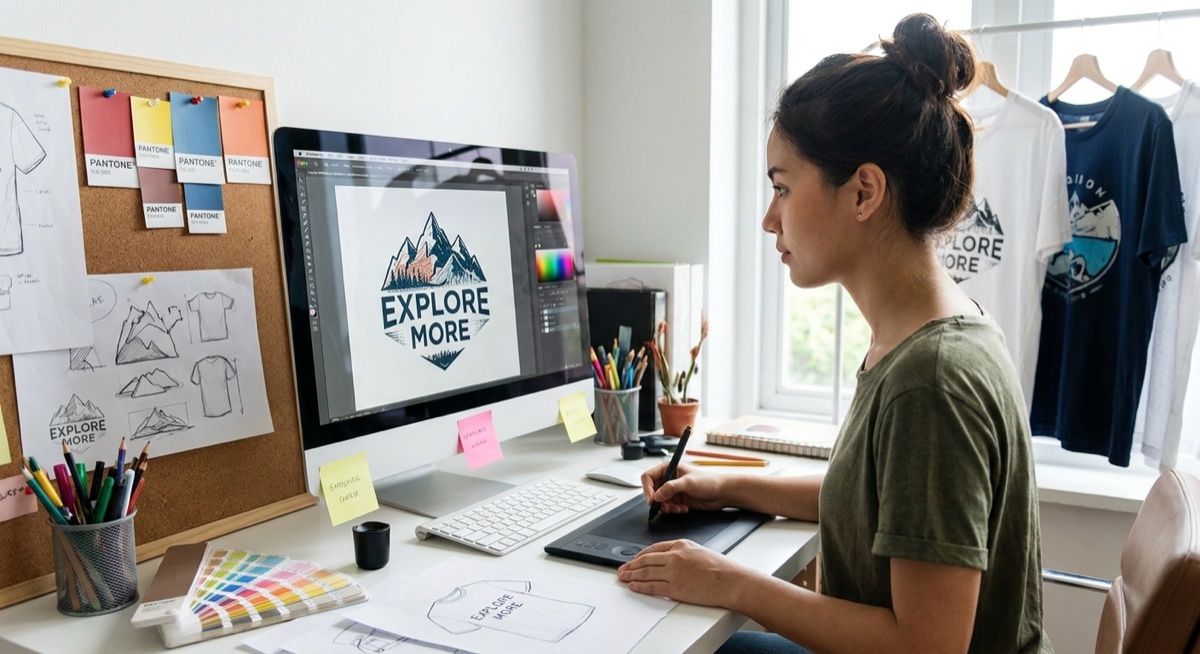
Why Bad Designs = Wasted Ad Spend
A common myth is that beginners shouldn’t invest in design tools. The reality is the opposite. When you’re spending $25-50 per day on ads, promoting amateur designs means burning that budget on products nobody will buy.
The math is simple: A $97/month design tool like AvatarIQ pays for itself with just 2-3 additional sales. But a bad design can waste hundreds in ad spend before you realize it’s the problem.
The 5 Elements of High-Converting Designs
- Readability: Text must be readable in a 3-second scroll. If they can’t read it, they won’t buy it.
- Contrast: Design should pop against the garment color. Test on multiple backgrounds.
- Simplicity: Less is more. The best-selling designs often have one clear message.
- Size: The design needs to be large enough to see in ad thumbnails.
- Alignment: Professional designs have clean, intentional alignment. Amateurs center everything; pros use visual hierarchy.
Creating Variations
Never test just one version of a design. Create variations:
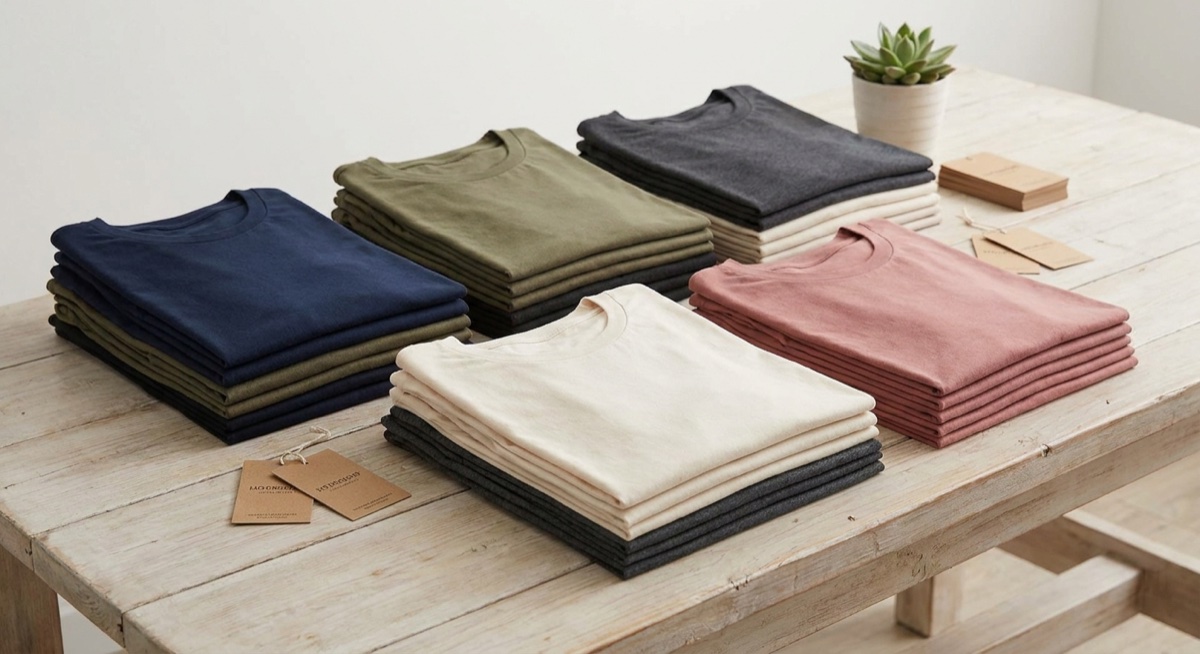
- Color variations: Same design on different garment colors
- Style variations: Different fonts or graphic treatments
- Layout variations: Horizontal vs. stacked text
- Product variations: T-shirt vs. hoodie vs. sweatshirt
From coaching calls: “I like to create as many different variations as I can. I do like to start most campaigns with at least 5. I give them 3 to 5 days to run to see which ads seem to be getting the most engagement or clicks and eventually sales.”
The Facebook Ads Testing System
Your design isn’t a winner until the data says it is. Here’s the systematic approach to testing that separates profitable POD businesses from expensive hobbies.
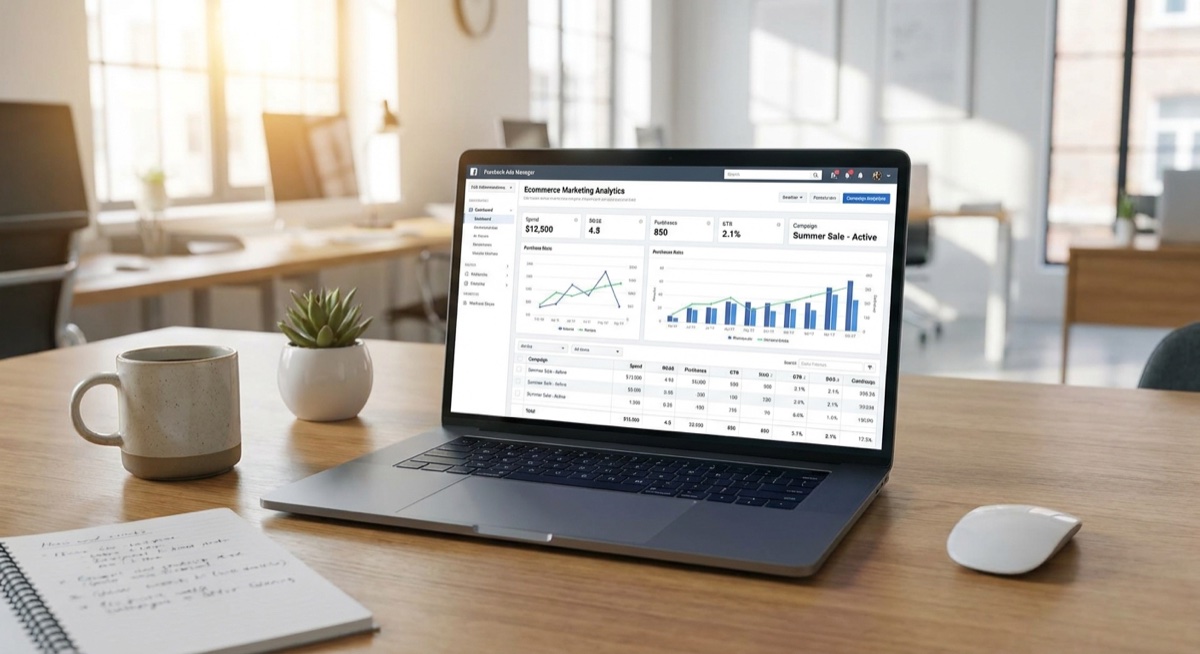
The Campaign Structure
For beginners ($25-50/day budget):
- One campaign per product/design
- Campaign budget optimization (CBO)
- Open targeting (let Meta find your buyers)
- 5 image variations in the campaign
Campaign naming convention: [Product Name] / CBO / USA / Images
This tells you exactly what’s in each campaign at a glance.
Image Requirements
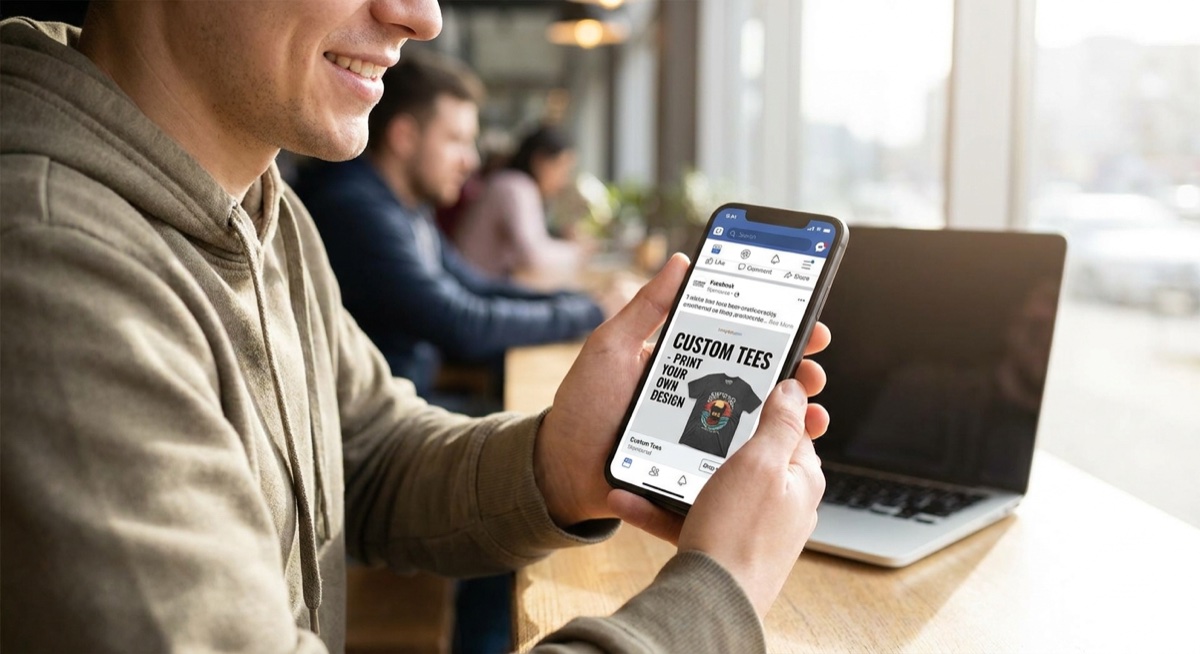
Your ad images need to stop the scroll. Here’s what works:
- Size: 1080×1350 (4:5 ratio) for feed, stories, and reels—or 1080×1080 (1:1) for feed only
- Lifestyle shots: Show the product on a person, not just a flat mockup
- Variations to test: Full body, waist up, close-up of design, different backgrounds, different model demographics
From a coaching session: “If your image is 1080×1080, which is square, those do best in the feed. If it’s 1080×1350, which is 4:5, that shows everywhere—reels, stories, feed, everything.”
Placement Settings
Critical settings most beginners miss:
- Turn OFF Audience Network: This placement historically provides terrible traffic for image ads
- Turn OFF Skippable Ads: You don’t want your images appearing in video content
- Set In-Content Ads to Limited: Prevents your images from showing in Facebook Live and unrelated video
- Uncheck “Allow limited spend to excluded placements”: Meta will spend your budget on placements you turned off otherwise
The Timeline
Day 1-2: Data gathering. Don’t panic.
Day 3: First decision point. Look for patterns.
Day 5-7: Winners and losers become clear.
“In my experience, it’s been around 3 days. It’s like that sweet spot where things really start to take shape, and then you start to see sales coming consecutively and consistently.”
Reading the Data: When to Keep, Kill, or Scale
This is where most POD entrepreneurs make expensive mistakes. They either kill winners too early or let losers bleed their budget dry.
The Kill Rules
Kill immediately if:
- No clicks after $5 spent
- No add to carts after $15-20 spent
- Cost per click over $5 (unless you’re getting add to carts)
- CPM over $100 with no engagement
Kill with caution if:
- Clicks but no add to carts after $20-25 spent
- Add to carts but no purchases after spending 2x your product price
- Two consecutive days of zero sales on a previously selling design
The Keep Rules
Keep running if:
- Getting clicks under $1.50 (people are interested)
- Add to carts coming in under $8-10 (purchase intent exists)
- Even one sale in the first 24-48 hours (promising signal)
The patience paradox: “Some ads just start off hot and stay that way. Some just take a little longer to be served and find those right people. So I wouldn’t necessarily worry too much about it, but oftentimes after that first day, if you don’t see sales coming in, you know, it might be that you need to make a little tweak to your copy or creative.”
The Scale Rules
Scale when:
- 2-3 consecutive days of profitable sales
- ROAS consistently above breakeven
- Cost metrics stable (not getting worse each day)

How to scale:
- Increase budget 10-30% at a time
- Wait 2-3 days between increases
- Scale on good days, not bad ones
- Duplicate rather than edit winning campaigns
“If you have a campaign that’s producing, don’t touch it. Leave it alone. It’s already working.”
10 Design Mistakes That Kill Your Conversions
Based on hundreds of coaching calls and student reviews, here are the design mistakes we see killing conversions:
1. Text Too Small
If someone can’t read your design in a Facebook feed thumbnail, they’ll scroll past. Your text needs to be readable at phone-screen size in a crowded feed.
2. Too Much Going On
Beginners try to put every idea into one design. The result is visual chaos. The best-selling designs communicate ONE message clearly.
3. Inside Jokes Nobody Gets
Your design might be hilarious to you and your friends. But if your target audience doesn’t immediately understand it, they won’t buy. Test clarity before cleverness.
4. Wrong Color Contrast
Light grey text on a white shirt. Dark design on a black hoodie. If the design doesn’t pop against the garment, it disappears in photos.
5. Clearly AI-Generated Images
AI tools are powerful, but obvious AI artifacts kill trust. Watch for: floating objects, weird hands, physically impossible scenarios, inconsistent lighting. A bear floating in the background of a “lifestyle” shot makes people think “this is fake” and bounce.
6. Offensive Without Knowing It
Some designs that seem edgy or funny cross lines that get your ads rejected or alienate potential customers. When in doubt, get outside opinions before investing in testing.
7. Copying Instead of Adapting
Directly copying a competitor’s design is illegal and gets your account banned. The goal is to understand WHY a design works, then create your own version that captures the same emotional trigger.
8. Wrong Product Match
Some designs work better on hoodies than t-shirts. Some work better on dark colors than light. Test different product variations—you might be surprised which converts best.
9. Ignoring Seasonality
A Christmas design in July won’t sell. But launching Christmas designs in September (when gift buyers start shopping) can be incredibly profitable. Time your designs to buyer psychology.
10. Giving Up Too Early
“I tried one design and it didn’t work, so POD doesn’t work for me.”
Successful POD entrepreneurs test 10, 20, 50+ designs before finding their first winner. The process IS the testing. Each “failed” design teaches you what doesn’t work for your market.
Real Examples from Skup Students
Theory is great, but results matter. Here’s how real Skup students found their winning designs:
Adam Schneider: $179K in 90 Days
Adam started with no design experience. He used the systematic testing approach, launching 5 variations at a time and following the kill/keep rules religiously. When he found a winner, he scaled methodically—never increasing budget more than 30% at a time. His biggest day hit $5K+ in sales.
Sean Young: $50K Total Sales
Sean’s breakthrough came from understanding his niche deeply. He spent time in Facebook groups where his target customers hung out, listened to their language, and created designs that spoke directly to their identity. One design change—from a general phrase to a niche-specific variation—turned a mediocre performer into a consistent seller.
Judy Padgett: First Sale After 4 Campaign Tests
Judy’s story is important because it shows the reality of testing. Her first three campaigns didn’t produce sales. Instead of quitting, she analyzed what wasn’t working, adjusted her approach, and her fourth test broke through. “Persistence with data” is the key—not blind persistence, but learning from each test.
Juan Carlos Criceno: First 5-Item Order
Juan’s win came from testing a new ad design variation. Same product, new creative angle. The lesson: sometimes the product is right but the presentation is wrong. Keep testing creative variations even when you believe in the product.
Frequently Asked Questions
How many designs should I test before giving up on a niche?
At minimum, test 10-15 unique design concepts with proper ad testing before concluding a niche doesn’t work. Many students find their first winner between designs 5-20. The key is systematic testing, not random attempts.
Should I start with t-shirts or hoodies?
Start with t-shirts for lower price point and easier impulse buys. Once you have proven designs, expand to hoodies and sweatshirts. Hoodies have higher margins but higher price points, which can mean longer sales cycles.
How much should I budget for testing?
Plan for at least $500-1,000 in ad spend before expecting consistent results. At $25/day, that’s 20-40 days of testing. This isn’t wasted money—it’s tuition for learning what works in your market.
What’s the best time to launch ads?
Launch new campaigns early in the day (midnight to 6 AM) so they have a full day to gather data. Avoid launching mid-day—Meta will spend your budget quickly over fewer hours, skewing your data.
Should I use interest targeting or open targeting?
For most niches, start with open targeting (broad). Meta’s algorithm has gotten very good at finding buyers. However, some niches (like religious content) have limited interest options, making open targeting the only option anyway.
Why did my design start strong then fizzle out?
This is normal. When you launch, Meta shows your ad to a small test group. If that group responds well, great first day. But then Meta expands to new audiences who might respond differently. Give it 3-5 days before deciding—sometimes day 2-3 are slow before it picks back up.
Can I use Canva for designs?
Canva (free) works for basic text designs. However, for lifestyle mockups, AI-generated models, and professional-quality graphics, tools like AvatarIQ produce significantly better results. Bad designs waste ad spend, so invest in tools that produce conversion-quality work.
How do I know if the problem is my design or my ad?
Look at click-through rate (CTR). If CTR is above 1.5%, people are interested in your ad creative. If they’re clicking but not buying, the issue is likely the product page, pricing, or design appeal on closer inspection—not the ad itself.
The Bottom Line
Finding winning print on demand designs isn’t magic. It’s a systematic process:
- Research what’s already selling in your market
- Create quality designs that tap into emotional triggers
- Test systematically with proper Facebook ad setup
- Read the data to make informed keep/kill decisions
- Scale winners methodically without breaking what works
- Repeat the process to build a portfolio of winners
The entrepreneurs who succeed in POD aren’t necessarily the most creative or the best designers. They’re the ones who treat design selection as a data-driven process, test systematically, and persist through the inevitable failures to find their winners.
Your first winning design is out there. The question is: are you willing to test enough designs to find it?
Ready to shortcut the learning curve? The Skup Incubator provides live coaching, proven design systems, and a community of successful POD entrepreneurs who’ve already figured out what works.